
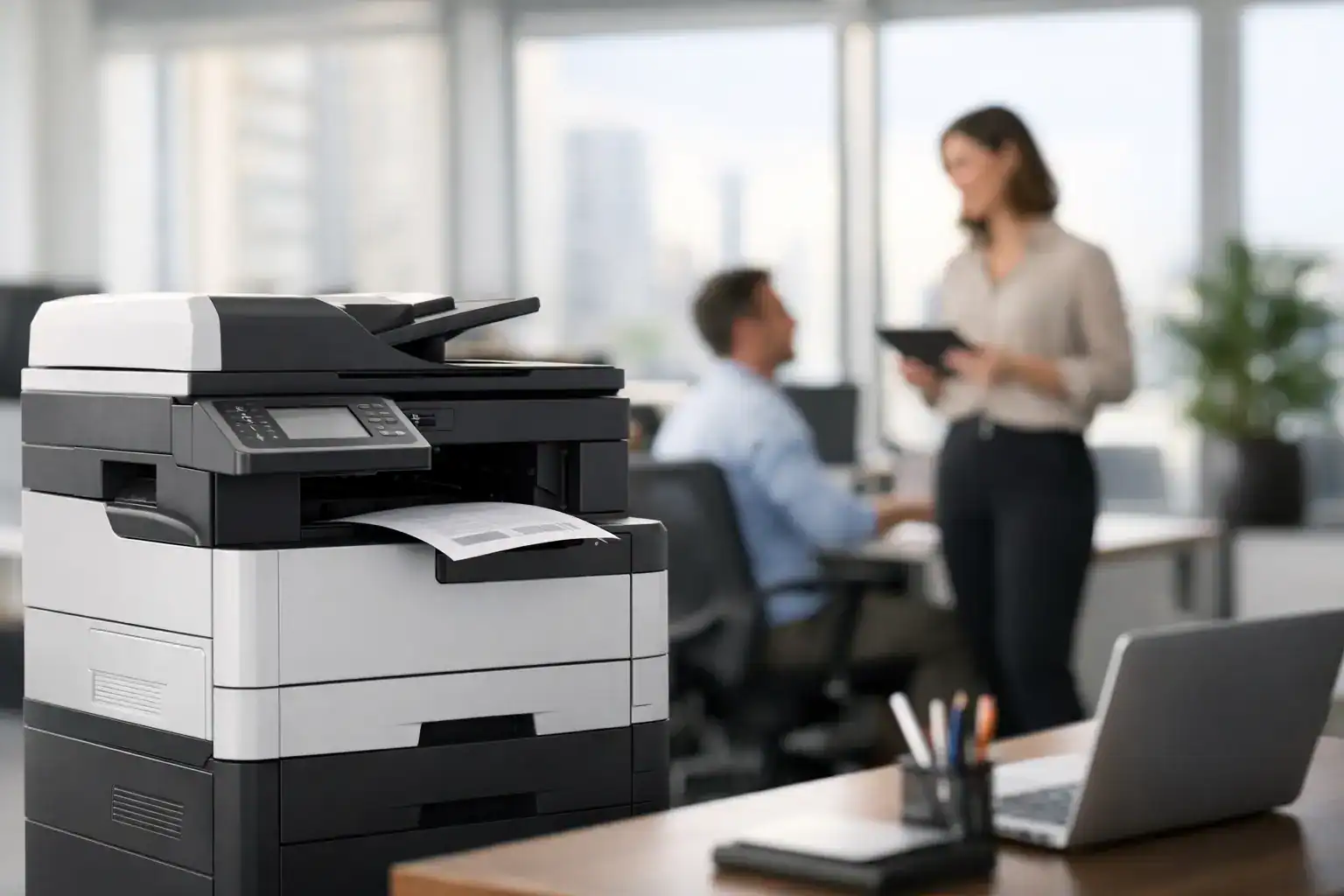
When a busy office printer goes down, the problem is rarely just one machine. It slows approvals, interrupts billing, delays reports, and creates unnecessary pressure on staff who already have enough to manage. That is why printer rental for offices has become a practical option for businesses that want dependable output without tying up capital in equipment ownership.
For many organizations, buying printers outright looks straightforward at first. The purchase is visible, the asset is on-site, and the decision feels complete. In practice, though, ownership often brings a second layer of costs that are less predictable – maintenance, parts, toner management, emergency repairs, and the time required to coordinate all of it. Rental shifts that model toward service, continuity, and controlled monthly spending.
Why printer rental for offices makes business sense
The strongest reason businesses choose rental is financial flexibility. Instead of committing a large upfront budget to devices that may need to scale, upgrade, or be replaced within a few years, companies can spread the cost across a fixed term. That approach protects cash flow and leaves room for other operational priorities such as staffing, IT, expansion, or fit-out costs.
There is also an operational advantage. Offices do not buy printers because they want printers. They need reliable printing, scanning, and copying as part of daily workflow. Rental agreements are often structured around that reality, with service and support included. That means the conversation changes from owning hardware to maintaining output.
This matters even more for companies with multiple departments, branch offices, or fluctuating print demand. A finance team may need high-volume black-and-white output. HR may need scanning and secure document handling. Reception may need a smaller multifunction device. Renting allows those needs to be matched more precisely without locking the business into one purchase decision that may not age well.
Buying vs. renting: the real trade-off
Ownership can still be the right fit in some cases. If a business has stable print demand, in-house technical support, and a clear long-term equipment plan, purchasing may produce better value over time. But that only holds if usage remains predictable and the organization is prepared to handle maintenance and replacement cycles.
Rental is usually more attractive when flexibility matters more than asset ownership. Startups, growing offices, temporary project sites, training centers, serviced offices, and companies opening new locations often benefit most. They need equipment quickly, they want support built in, and they may not want to commit to a device fleet that could be undersized or oversized within a year.
The trade-off is simple. Buying may reduce long-term cost in a steady environment. Renting usually reduces risk in a changing one.
What a good office printer rental plan should include
Not all rental arrangements are equal. The monthly fee only tells part of the story. Procurement teams and office managers should look closely at what is included in the service agreement and what remains their responsibility.
A strong rental program should cover installation, device setup, routine maintenance, and repair response. It should also define how consumables are handled. Some contracts include toner and usage-based billing, while others separate the hardware rental from print volumes. Neither model is automatically better. It depends on whether the business wants tighter control over usage costs or a more bundled service structure.
Response times are equally important. A low monthly rate loses its value quickly if a critical office waits too long for service. For businesses that rely on constant document flow, uptime should be part of the decision, not an afterthought.
Security features should also be considered, especially for businesses handling contracts, employee records, financial documents, or customer information. Modern office printers are networked devices, and rental equipment should support user authentication, secure print release, scan permissions, and administrative controls where needed.
Match the device to the workflow
One common mistake is choosing a printer based on price before understanding actual office needs. A smaller office may only need a reliable multifunction printer with moderate monthly volume. A larger team may require faster output, multiple paper trays, finishing options, or dedicated scanning capacity.
Color printing is another area where costs can rise without planning. Some departments genuinely need it for presentations, client-facing material, or design review. Others do not. A rental strategy works best when each device is assigned to a practical role instead of assuming every team needs the same specification.
That is where a service-led provider adds value. The right recommendation should reflect monthly print volume, paper size requirements, workflow bottlenecks, network setup, and support expectations – not just the model currently in stock.
When rental is the better option
Printer rental for offices is especially useful during periods of change. A company moving to a new location may need equipment in place immediately without making a rushed capital purchase. A business hiring aggressively may need extra capacity now, but not want to overcommit to a long-term hardware plan. A project office may only need devices for a defined contract period.
Rental also suits organizations that want one provider to manage more than just the printer itself. Businesses increasingly prefer a single partner that can supply office equipment, support devices in use, and coordinate related services such as networking, managed print, and workstation setup. That reduces vendor fragmentation and makes day-to-day operations easier to manage.
For SMEs, the value often comes from predictability. Instead of dealing with surprise service bills or replacing underperforming machines one by one, they get a clearer monthly cost and a support structure that helps avoid downtime. For larger organizations, the benefit is consistency across teams and locations.
Questions to ask before signing a rental agreement
A rental contract should be clear enough to evaluate in business terms, not just technical ones. Start with the basics: contract length, monthly fee, included services, and expected print volume. Then look at what happens if usage changes. Can the agreement be adjusted if the office grows, relocates, or reduces headcount?
It is also worth checking how service calls are handled, whether replacement units are available, and how consumables are replenished. If the office cannot afford interruptions, ask specifically about uptime commitments and escalation procedures.
Another useful question is whether the provider can support a broader office environment. A business may begin with printer rental and later need photocopiers, managed print oversight, laptops, network support, or security systems. Working with a partner that can support those needs creates operational efficiency that a basic equipment-only vendor usually cannot offer.
Cost clarity matters more than a low headline price
The cheapest quote is not always the lowest operational cost. Hidden charges can appear in excess page rates, excluded maintenance items, delayed support, or unclear replacement terms. A better agreement is one that makes total cost easier to forecast and service easier to rely on.
That is especially relevant for procurement teams comparing multiple suppliers. The right comparison is not just monthly rental price against monthly rental price. It is service scope against service scope, support quality against support quality, and business interruption risk against business interruption risk.
A smarter way to support office productivity
Printers are still central to many business processes, even in offices that have reduced paper use. Contracts are printed, documents are scanned, invoices are copied, labels are produced, and records move between digital and physical formats every day. The issue is not whether offices still print. The issue is whether they are supporting that requirement in the most efficient way.
Printer rental for offices gives businesses a way to treat print infrastructure as an operating service rather than a standalone purchase. That can improve budgeting, reduce technical burden, and keep staff focused on work instead of equipment problems. For organizations that value responsiveness, support coverage, and room to scale, it is often the more practical decision.
Providers such as Kayan Solutions are built around that service-led model, combining office equipment supply with maintenance-backed support and broader business technology services. For companies that want fewer vendors and more accountability, that approach tends to deliver more value than hardware alone.
The best printer setup is not necessarily the one you own. It is the one that keeps your office moving, fits the way your teams work, and stays reliable when the day gets busy.


Add comment